Hey everyone, I’m ThusZen, a regular person passionate about minimalism and constantly reflecting on my spending habits. Today, we’re diving into a sneaky phenomenon that’s quietly fueling overconsumption in modern life: the Diderot Effect (also known as the matching effect or Diderot unity). It’s like an invisible consumer trap that tricks you into buying one thing, only to feel compelled to “match” it with more stuff—leaving your wallet empty, your space cluttered, and your mind overwhelmed.
If you’ve ever splurged on a new dress and then obsessed over shoes, a bag, and jewelry to “complete the look,” or upgraded your phone and suddenly needed a new case and charger, this post is for you. We’ll break down what the Diderot Effect is, why it’s so common in today’s shopping culture, and share 3 practical strategies to overcome the Diderot Effect with step-by-step guides and real-life examples. By the end, you’ll have actionable tips to avoid overconsumption, build a sustainable wardrobe, and achieve that effortless minimalist lifestyle you’ve been craving. Let’s get into it!
What Is the Diderot Effect? The Origin Story of a 18th-Century Consumer Trap
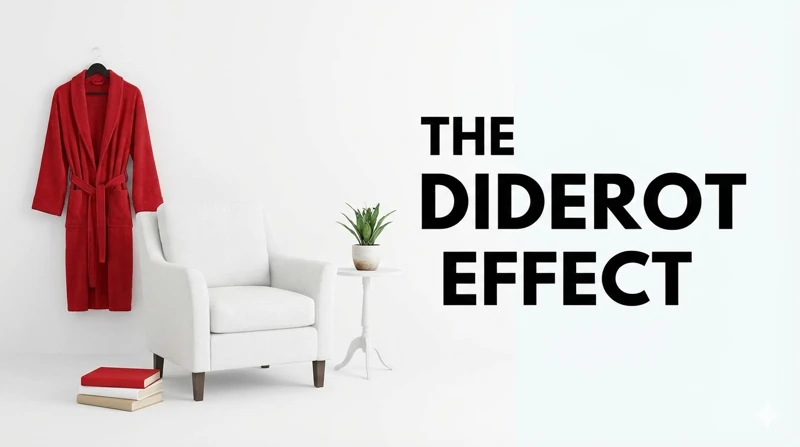
The Diderot Effect gets its name from Denis Diderot, the 18th-century French philosopher and key figure in the Enlightenment. Back in 1769, Diderot received a gift from a friend: a stunning scarlet Turkish dressing gown. It was luxurious, vibrant, and made of the finest silk—he was hooked. But here’s where the trouble started. His dingy old writing desk, faded rug, and shabby bookshelves suddenly looked out of place. “This gown is too elegant for this mess,” he thought.
What followed was a classic case of Diderot unity in action: Diderot couldn’t stop there. He upgraded to a mahogany desk, rolled out a Persian carpet, added a velvet armchair, and even replaced his candlesticks and curtains. His study transformed into a palace, but at what cost? He felt “ruined by my dressing gown,” trapped in a cycle of endless upgrades triggered by one item. Diderot later vented about this in his essay Regrets on Parting with My Old Dressing Gown, calling out how luxury sparks dissatisfaction.
Fast-forward over 200 years, and American economist Juliet Schor popularized the term in her book The Overspent American: Upscaling, Downshifting, and the New Consumerism. She defined the Diderot Effect in consumer behavior as the urge to acquire complementary items to restore psychological balance after buying something new. In short: one purchase creates a “unity deficit,” pulling you into more spending to fix it. It’s the root of many impulse buys and cluttered homes today.
Why Is the Diderot Effect So Prevalent? The Modern Shopping Traps Fueling Overconsumption
In Diderot’s time, luxury was rare. Now, with fast fashion, e-commerce, and social media influencers, the Diderot Effect in everyday life is everywhere. It’s amplified by targeted ads and FOMO (fear of missing out), making “perfect matching” feel like a must. Here’s why it’s hitting so hard—and how it shows up in real scenarios:

- Fashion and Wardrobe Woes: Snag a cute new blouse? Boom—now you “need” pants, belts, and earrings to match. I fell for this last summer with a breezy blue sundress. My mind raced: “Gotta get espadrilles, a straw hat, and hoop earrings!” The dress? Worn twice. The accessories? Gathering dust. This is Diderot Effect in fashion shopping at its finest.
- Tech Gadget Spiral: New smartphone? Your old case looks cheap, so you grab a sleek one, a stand, wireless charger, and maybe AirPods. Studies show people spend hundreds extra yearly on Diderot Effect tech accessories just to “complete the setup.”
- Home Decor Domino: Buy a fancy coffee maker? Suddenly, your countertops scream “mismatch.” Cue new mugs, a grinder, and cabinet revamp. Kitchens turn from functional to Instagram-ready showpieces overnight.
- Beauty Routine Rabbit Hole: Back when I was into full glam, a coral lipstick meant hunting for matching blush, eyeshadow, and liner. Drawer overflowed with “one-time wonders.” Classic overcoming Diderot Effect in beauty challenge.
Psychologically, it’s cognitive dissonance: the new item disrupts your “set,” so your brain pushes for harmony. But perfection is a myth—it’s a bottomless pit of overconsumption. Ready to break free? Let’s tackle it with proven strategies.
How to Overcome the Diderot Effect: 3 Actionable Strategies for Minimalist Living
The good news? The Diderot Effect psychology isn’t unbeatable. It’s about mindful buying and intentional use. Here are my top tips to avoid the Diderot Effect, refined from personal trial-and-error. Each includes a quick-start guide and examples to make them super practical for building a capsule wardrobe or decluttering your space.
Strategy 1: Pre-Purchase “Outfit Audit” – Aim for At Least 3 Versatile Matches
Core Idea: Treat new buys like puzzle pieces—they must fit your existing collection. Ask: “How many ways can this play with what I already own?” This curbs impulse matching consumption.
Step-by-Step Guide (5-Minute Check):
- Inventory Your Basics: Snap photos of your closet/drawers using an app like Stylebook or a simple notes list. Sort by color, fabric, and vibe (casual, work, travel).
- Mix-and-Match Brainstorm: Visualize 3-5 outfits with the new item. Fewer than 3? Walk away.
- Score It Out: Rate compatibility (1-10). Under 7? Reconsider. Factor in seasons and occasions.
- Hack It: Borrow from friends or wait for sales on multi-use add-ons.
Real-Life Win: I eyed a neutral beige trench coat recently. Audit revealed: jeans + boots (daily errands), skirt + heels (date night), joggers + sneakers (lazy Sundays)—5 combos! Bought it guilt-free; now it’s a weekly staple in my minimalist wardrobe essentials.
Strategy 2: Prioritize Multi-Use Items – Calculate the “Accessory Tax” and Long-Term Value
Core Idea: If it demands “dedicated” extras, it’s a red flag. Focus on versatile heroes with high wear frequency to dodge Diderot Effect hidden costs.
Step-by-Step Guide (10-Minute ROI Calc):
- Hit the Big Questions:
- Frequency: How often (weekly/monthly)? Less than monthly? Skip.
- Versatility: Cross-scene potential? (E.g., dress for office and beach?)
- Accessory Tax: How many add-ons? Are they solo stars or “slaves” to this item?
- Quantify with a Quick Table (Use Google Sheets or phone notes):
| Item | Est. Usage Freq | Needed Add-Ons | Add-On Versatility? | Total Cost (w/ Add-Ons) | Go/No-Go |
|---|---|---|---|---|---|
| Beach Dress | 2x/month | Sandals, Hat | Sandals dress-only (No) | $50 + $30 = $80 | No-Go |
| All-Season Scarf | 3x/week | None | Yes (Year-Round) | $20 | Go! |
- Cool-Off Rule: Add to cart, sleep on it for 24-48 hours.
Real-Life Win: That blue sundress? Low freq (vacays only), sandals were “exclusive” (I prefer sneakers daily), tax = $30. Ditched it for a colorful scarf—instant match for 10+ outfits, worn 3x weekly. Total savings from avoiding Diderot Effect? Priceless.
Strategy 3: Treat Luxury Like Tools – Maximize Use, Ditch the Pedestal
Core Idea: High-end stuff isn’t a status symbol; it’s a utility. “Wear it out” to neutralize Diderot Effect with luxury items. Ads peddle “buy success,” but real respect? From skills and character.
Step-by-Step Guide (Mindset Shift + Usage Plan):
- Pre-Buy Reflection: Probe: “What’s the real need—vanity or value?” If ego-driven, pause.
- 30-Day Wear Challenge: Post-purchase, schedule 3+ uses/week across scenarios (fancy blouse with street food? Yes!).
- Maintenance Mode: Repair over replace; donate when done. No “display-only” hoarding.
- Anchor Reminder: Sticky note: “I’m the boss; it’s just gear.” Dive into Schor’s book for extra ammo.
Real-Life Win: My $200 designer jacket sat pretty at first. Forced the challenge: office with chinos, weekends with leggings, rainy days as a poncho. Two years strong—it’s my ultimate minimalist luxury essential, not a shelf trophy.
Final Thoughts: Start Your Journey to a Clutter-Free, Joyful Minimalist Lifestyle Today
The Diderot Effect explained shines a light on how one “perfect” buy can snowball into overconsumption chaos. But with awareness and these strategies to beat the Diderot Effect, you reclaim control: buy smarter, use fuller, live lighter. Start small—audit one purchase this week—and watch your space, budget, and peace transform.
Got a Diderot Effect shopping story or tip for minimalist living hacks? Drop it in the comments—we’re in this together! Here’s to painless minimalism and getting what you truly want. See you next time!
Further Reading:How Ordinary People Can Live Better: A Practical Guide to Minimalist Living and Financial Health.